One XML source, multiple accessible outputs
The path to single-source XML publishing with le-tex transpect and xerif
Auftraggeber: University Press Potsdam
University Press Potsdam publishes books in scholarly series as well as six academic journals – since 2025 under a diamond open access model, with the goal of making all publications fully accessible.
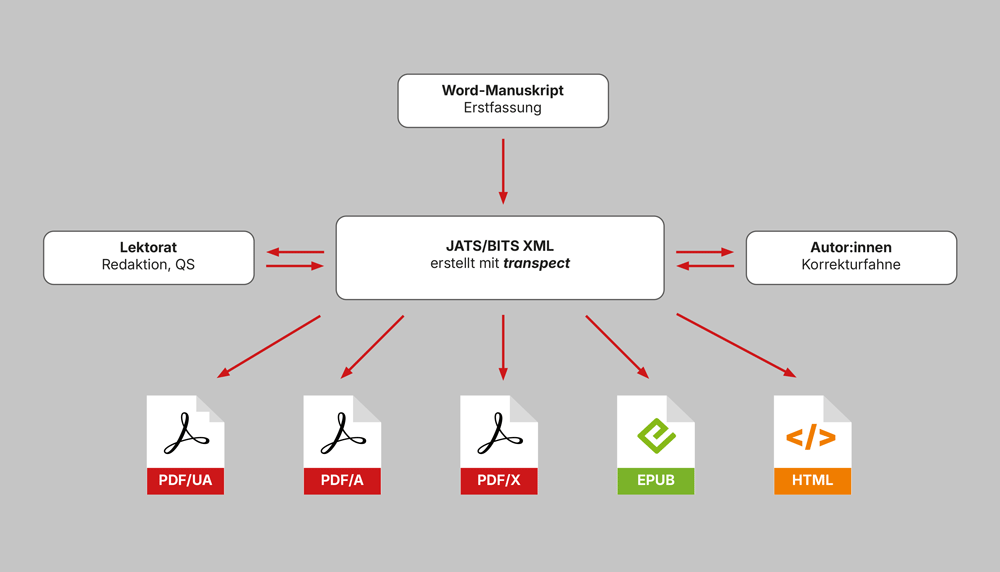
The previous workflow separated copy-editing in Word, typesetting in InDesign, and the creation of PDF/UA and PDF/X into separate steps with distributed versions – the opposite of the intended single-source publishing approach.
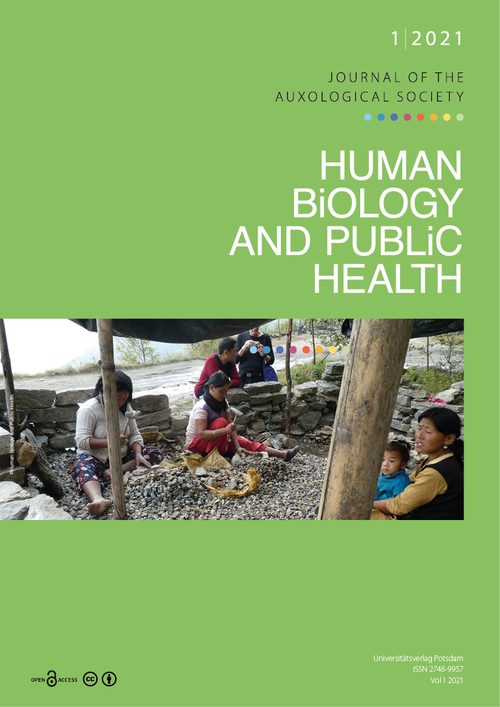
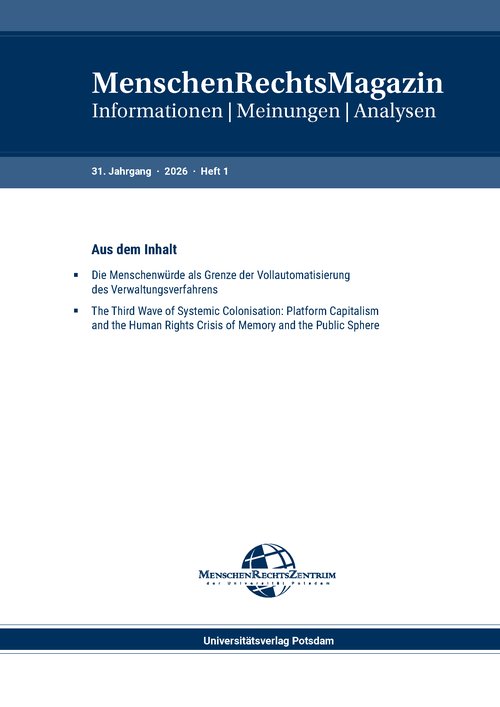
Using the open-source transpect framework and the xerif typesetting system from le-tex, the publisher developed the Open Publishing XML Framework (OPX): Based on a standardized, semantically rich and open JATS/BITS XML source, the publisher now delivers publications across multiple channels, with a particular focus on accessibility – automatically generating PDF/UA, PDF/A, PDF/X, EPUB 3 and HTML, without the need for additional typesetting in a proprietary, closed format. OPX is now in production for the journals Human Biology and Public Health, MenschenRechtsMagazin and PaRDeS, as well as for the book series Pri ha-Pardes; two further book series are currently in preparation.
“We are taking our publishing production to the next level. From a single, open JATS/BITS XML source, University Press Potsdam now publishes automatically and accessibly in PDF/UA, PDF/A, PDF/X, EPUB 3 and HTML. This is made possible by the Open Publishing XML Framework (OPX), which is based on le-tex’s open xerif/transpect framework.”
Sample publications produced with the OPX workflow